
Moving a piano is one of the most challenging parts of any move. Whether you own a grand piano, an upright or an antique instrument, shifting something this heavy and delicate calls for knowledge, experience and the right preparation. In this article you will read everything you need to know about moving a piano, from the preparation through to the move itself and positioning the instrument in your new home. That way you can be sure your instrument reaches its new destination safely and undamaged.
Moving a piano is nothing like lifting an ordinary cabinet or sofa. A piano is not only heavy, often between 150 and 500 kilos, but also remarkably fragile. Its mechanism is made up of thousands of small parts that are sensitive to knocks, vibrations and changes in temperature. On top of that, the woodwork scratches easily and the lacquer is quick to mark. The wrong approach can lead to damage to the instrument, but also to dangerous situations for the movers themselves. For that reason, always carry out a piano move with the utmost care, ideally with professional help.
What should you do before moving a piano?
Good preparation is half the battle, certainly with a piano move. Start by measuring the piano and the spaces it has to pass through. Measure not just the piano itself, but also the doorways, hallways, stairs and lifts. That way you can be sure the instrument will fit everywhere and you avoid nasty surprises on moving day. Make sure the route is clear of obstacles and, if need be, create space by temporarily moving furniture aside. Protect the piano by wrapping it in blankets or purpose made moving covers. Do not forget to give vulnerable parts, such as the keyboard lid and the pedals, extra protection with bubble wrap or foam rubber.
Many people wonder whether they can move their piano themselves or whether they are better off hiring a professional removal company. Moving a piano is physically demanding and calls for specific knowledge and materials. Without experience and the right equipment, the risk of damage is high. You also run the risk of injury, such as back problems or trapped fingers. Professional movers have specialist piano trolleys, lifting straps and protective covers. They know exactly how to lift, manoeuvre and transport a piano safely, even over stairs or through narrow hallways. If you want to be on the safe side, always choose a professional removal company with experience of piano moves.
The right equipment for a piano move
Moving a piano calls for specialist equipment. Professional movers use tools that spread the weight and protect both the instrument and your home. Always make sure you use the right equipment when moving a piano. The most important aids are:
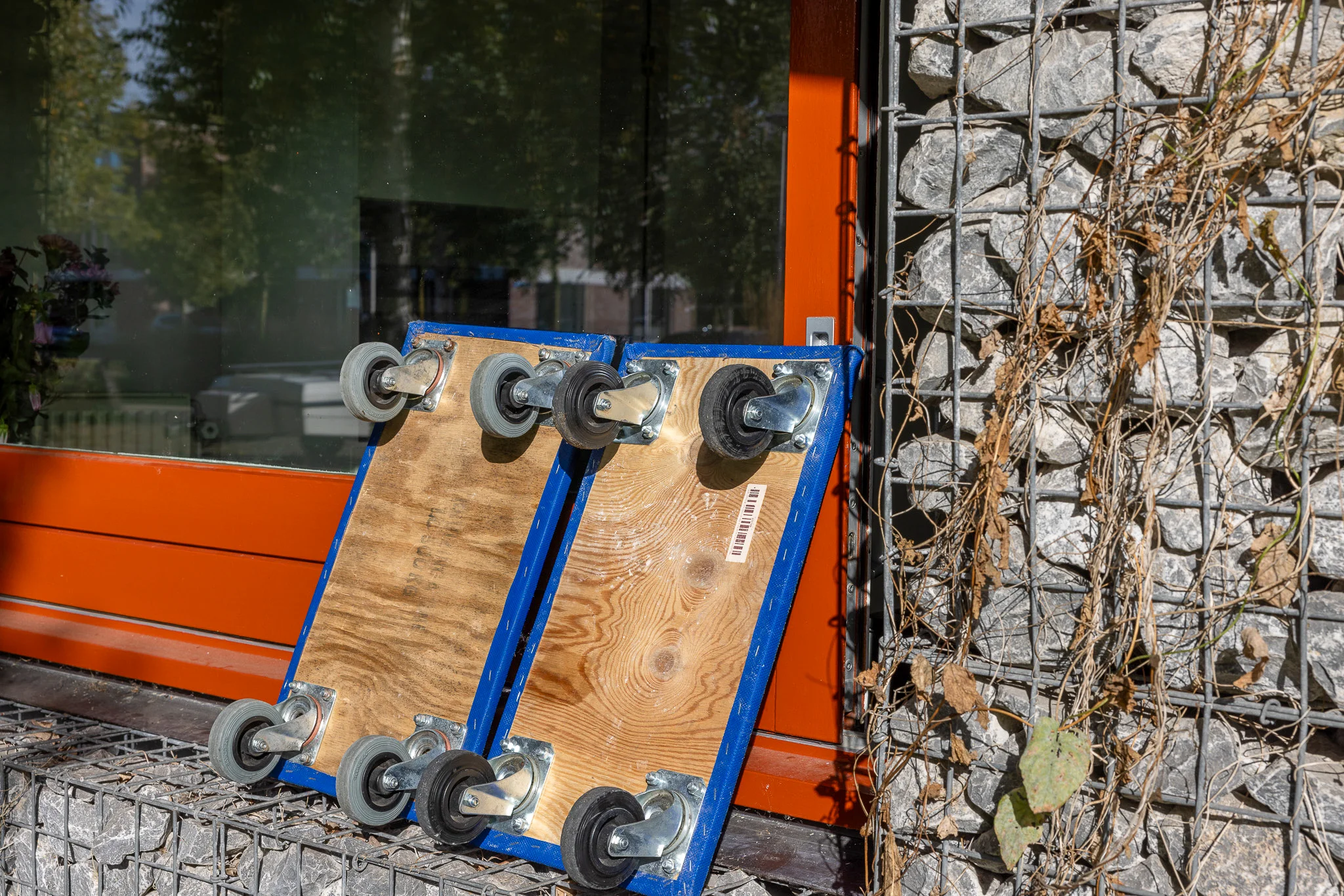
- Sturdy piano trolleys with rubber wheels, so that the weight is spread evenly and the floor is not damaged.
- Lifting straps that hold the piano firmly in place during the lift.
- Protective covers and blankets that prevent scratches and dents.
- A stair climber or electric stair climber to move the piano over the stairs under control.
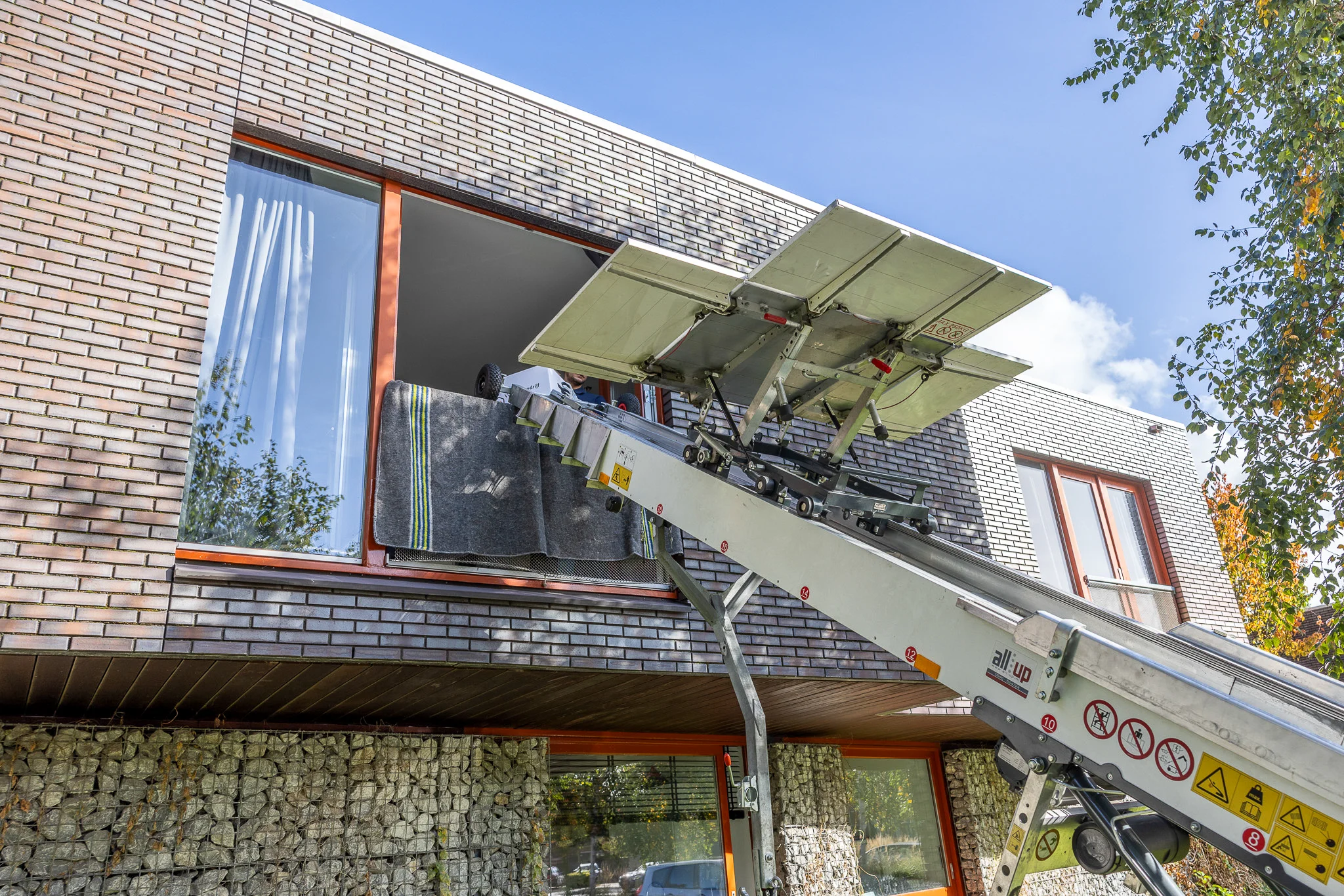
- A furniture hoist for when the piano has to go in or out through a window or balcony.
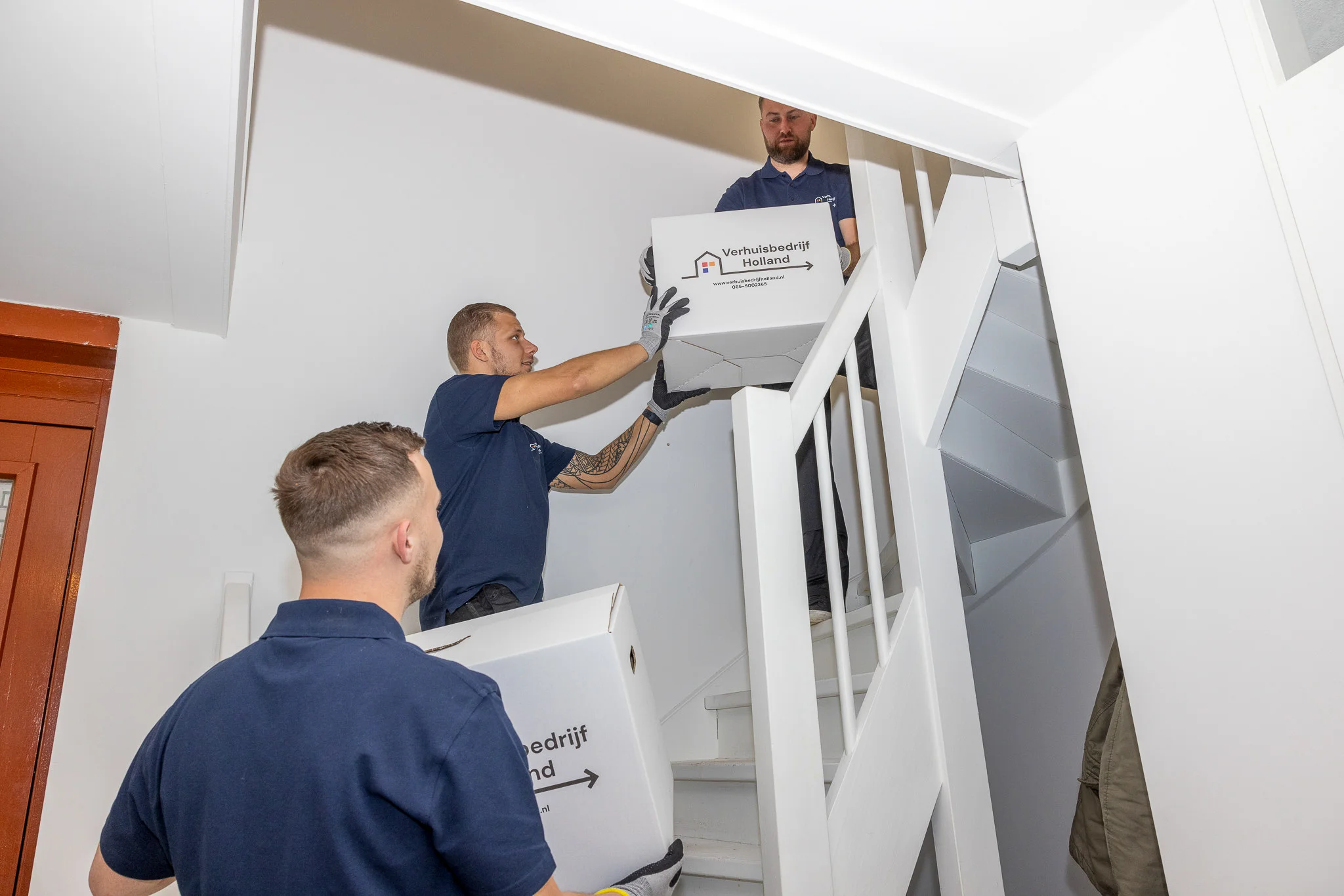
On moving day itself, you are best off working calmly and methodically. Start by checking the route: are all the doors open, are the stairs clear of obstacles and is there enough room to manoeuvre? Set out the right equipment and make sure there are enough people on hand to help. A piano is best moved with at least three strong people, so that the weight is well distributed and there is always someone to step in if needed.
Never lift the piano by protruding parts such as the legs or the keyboard lid, as these can break off or be damaged. Always use lifting straps and make sure the piano sits firmly and securely on the trolley. Move slowly and communicate clearly with one another while lifting and shifting. When taking the stairs, the heaviest side of the piano, usually the back, should always point downwards. That way you stop the instrument from tipping over. Take your time and never force anything, because moving a piano is not a job to rush.
Transporting the piano: how to do it safely
Moving a piano also means the instrument has to be transported safely to its new location. Use a removal van with a tail lift, so that you can roll the piano in and out with ease. Always secure the piano with tie down straps so that it cannot slide while you are driving. Position the piano against a side wall of the van where possible and make sure no other heavy objects can fall against it. Give the piano extra protection with blankets or foam rubber to cushion any knocks and vibrations. Drive carefully and avoid sudden movements or hard braking.
Once you arrive at the new location, unload the piano carefully and set it down in the right spot. Here too, take your time and work calmly. Check the route again from the front door to the piano’s final position. Clear away obstacles and make sure the floor is protected against scratches. Set the piano in the spot you want and carefully remove all the protective materials. Take care not to place the piano directly against a radiator, window or exterior wall, because differences in temperature and humidity can affect the wood and the mechanism. After the move, let the piano acclimatise for at least a few weeks before you have it tuned. The shift and the change of surroundings can leave the instrument a little out of sorts for a while.
Common mistakes during a piano move
Moving a piano can look easier than it is, but people often make mistakes that lead to damage or accidents. A common error is underestimating the weight and size of a piano. As a result, the instrument is sometimes moved with too few people or without the right equipment, with all the risks that brings. Failing to protect the piano properly during transport also regularly leads to scratches, dents or even more serious damage. On top of that, people often forget to check the route properly, leaving them stuck halfway along a narrow hallway or on a steep staircase. Finally, the piano is sometimes tuned straight after the move, when the instrument first needs time to acclimatise. By avoiding these mistakes, you improve the odds of a successful, damage free move.
The cost of moving a piano
The cost of moving a piano depends on several factors. Think of the type of piano (grand or upright), the weight and dimensions, the distance between the old and new location, and how accessible both addresses are. Does the piano have to go up several flights of stairs, through narrow hallways or up with a furniture hoist, for example? Then the costs rise. On average, the cost of moving a piano within the same city is between 250 and 500 euros. For a grand piano or a move over a longer distance, the costs can be higher. Request a quote from a specialist removal company in advance, so that you know exactly where you stand.
Tempting though it may be to save money and move your piano yourself, hiring a professional removal company is almost always the best choice. Moving a piano is heavy, complex and risky. Professional movers have not only the right knowledge and experience, but also the equipment needed to move your piano safely. They know exactly how to lift, manoeuvre and transport the instrument, even in tricky situations. What is more, professional movers are insured against damage, so you can have your treasured instrument moved with complete peace of mind. If you choose a specialist removal company, you can be sure your piano is in good hands.
Tips for moving a grand piano
Moving a grand piano calls for an even more specialised approach than an upright. Because of its large size and heavy weight, a grand piano is particularly awkward to move. The instrument often has to be laid on its side, and the legs and keyboard lid are temporarily removed to prevent damage. Protect the grand piano well with blankets and foam rubber, especially on the vulnerable corners and edges. Use a special grand piano board (dolly) to transport the instrument safely. Lifting and manoeuvring a grand piano also takes experience and teamwork. For that reason, always leave the moving of a grand piano to professionals who know what they are doing.
After the piano move, give the instrument time to acclimatise to its new surroundings. The shift, the knocks during transport and the change in temperature and humidity can leave the piano temporarily out of tune. So wait at least two to three weeks before you call in a piano tuner. That gives the wood the chance to settle into the new conditions and lets the tuner get the instrument perfectly adjusted again. Regular tuning is important in any case to keep your piano in top condition, certainly after a move.
Moving a piano: the advantages of Verhuisbedrijf Holland
At Verhuisbedrijf Holland we understand how important your piano is to you. Our team of experienced movers specialises in the safe, expert moving of pianos, grand pianos and other special instruments. We are NIWO accredited, have the right equipment, from sturdy piano trolleys to professional furniture hoists, and treat your piano with the utmost care. Whether you want to move a piano within the same city or to another province, we handle it from start to finish. If you need somewhere to keep your instrument for a while during the move, we can house it in our storage. That way we take every worry off your hands, so that you can focus on the other aspects of your move.
Moving a piano is a craft in its own right. It calls for good preparation, the right equipment and, above all, plenty of experience. Whether you have an upright or a grand piano, are leaving Utrecht or heading to Houten, shifting such a valuable and delicate instrument is not without its risks. By choosing a professional removal company like Verhuisbedrijf Holland, you can be sure your piano reaches its new home safely, quickly and without damage. Would you like to know more about moving a piano or request a quote straight away? Feel free to get in touch on 085 500 2365. We are always happy to help.