
Packing removal boxes well is an essential part of a successful move. By working in a smart and organised way, you not only prevent damage to your belongings, but also save time and effort when unpacking. Below you can read how to pack removal boxes, from preparation to the best techniques.
Why is packing removal boxes important?
It may seem a simple task, but packing removal boxes is more than just putting things in a box. A good approach ensures that your belongings arrive safely at their destination and that unpacking goes smoothly. It also prevents unnecessary stress, such as searching for important items or discovering damaged possessions.
Imagine you have just moved and your favourite coffee cup turns out to be broken, or you cannot find your phone charger anywhere. You can easily avoid situations like these by making a good plan and working in an organised way.
Preparation: a good start
A successful move begins with thorough preparation. By sorting everything out in advance, you save yourself a lot of time and frustration.
Not all boxes are suitable for moving house. Use sturdy removal boxes that are specially designed to carry heavy loads. Small boxes are ideal for heavy items such as books, while larger boxes are better suited to light things such as clothing or pillows. Make sure you also have enough packing material, such as bubble wrap, tape and labels.
Before you start packing, it helps to make a plan per room. Pack items you do not use every day first, for example books, decorations or seasonal clothing. Label the boxes clearly with the contents and the room they need to go to. This makes unpacking much easier later on.
Packing removal boxes the smart way
Actually packing removal boxes calls for a considered approach. Here are a few tips that ensure your belongings are packed safely and efficiently.
- Start in good time. Do not wait until the last moment to begin packing. Start a few weeks in advance with things you do not need every day. This prevents stress on the day of the move.
- Keep the weight under control. A common mistake is loading boxes too heavily. Make sure a removal box is no heavier than 10 to 15 kilos. Place heavy items at the bottom of the box and fill the rest with lighter things such as towels or pillows.
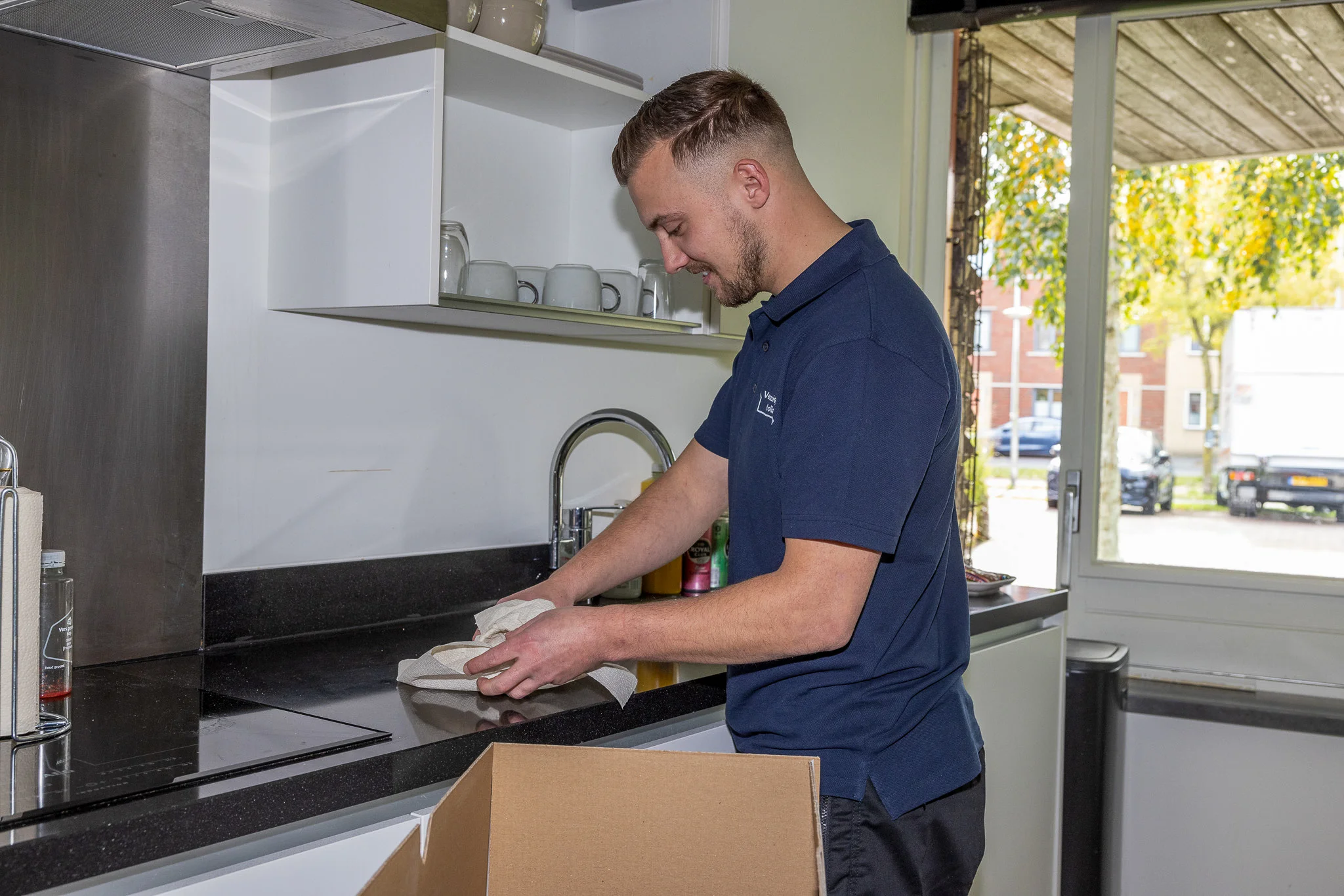
- Protect fragile items. Fragile things such as glassware and crockery need extra attention. Wrap each item separately in bubble wrap or paper and place them upright in the box. Fill empty spaces with packing material to prevent movement during transport.
- Fill empty spaces. Empty spaces in boxes can cause things to shift during transport, which can cause damage. Use scrunched-up paper, air cushions or even towels to fill these spaces.
- Label everything clearly. Write on every box what is inside and which room it needs to go to. Use colour codes if you like, to create even more of an overview.
Although the process seems simple, mistakes are often made that lead to frustration or damage:
- Overloading boxes with heavy items, so that they are difficult to lift or tear.
- Packing fragile items without protection.
- Not using clear labels, which leads to chaos when unpacking.
- Not sealing boxes firmly with tape, so that they can open during transport.
By avoiding these mistakes, you make your move a good deal smoother.
Specific tips for different types of belongings
Not all belongings can be packed in the same way. Here are a few specific tips:
- Clothing: use wardrobe boxes for hanging clothes to prevent creasing. Folded clothing can simply go in standard removal boxes.
- Books: always pack books in smaller boxes because of their weight.
- Electronics: where possible, keep electronics in their original packaging. Add accessories such as cables to the same box.
- Paintings and mirrors: wrap these carefully in blankets or special covers to prevent damage.
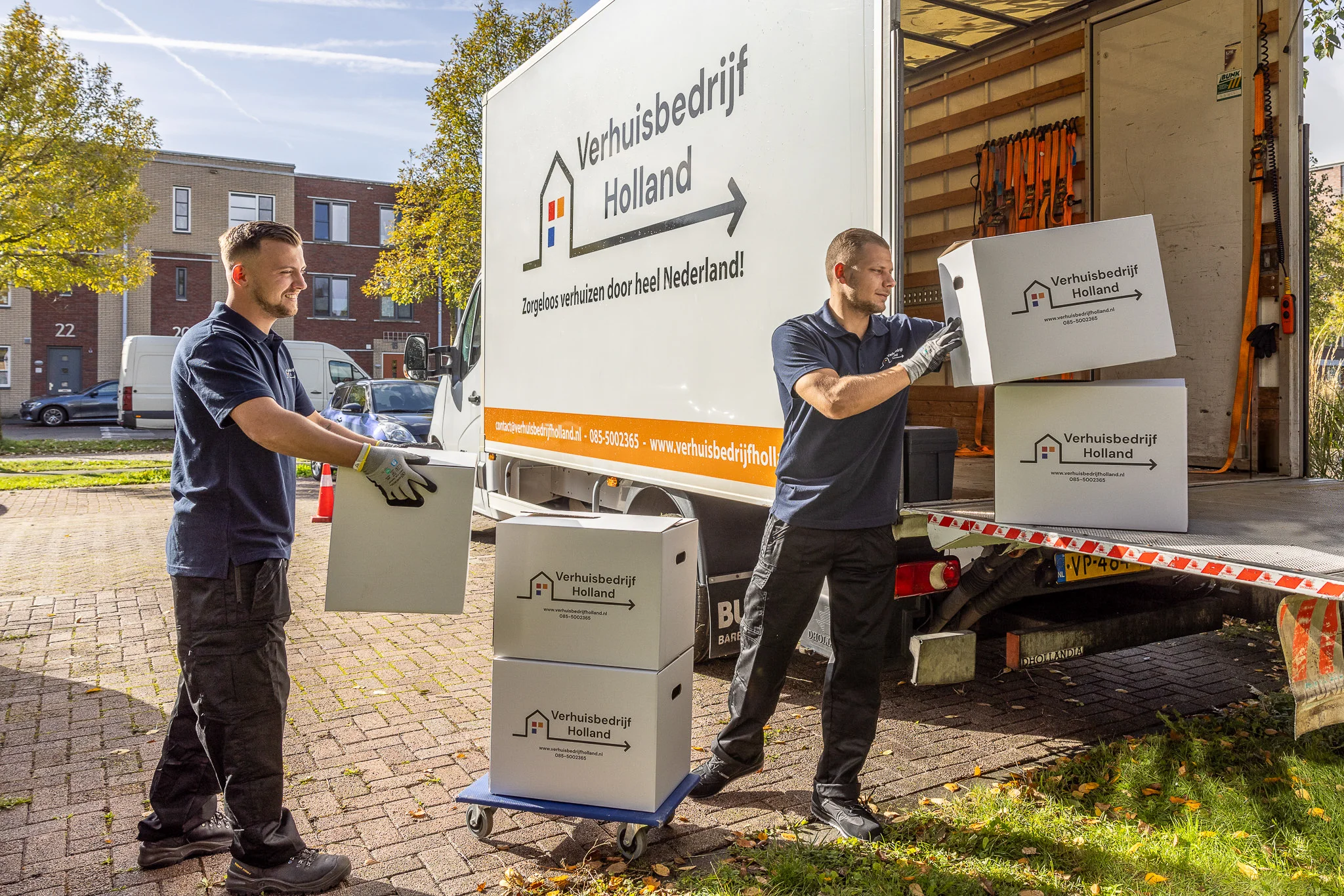
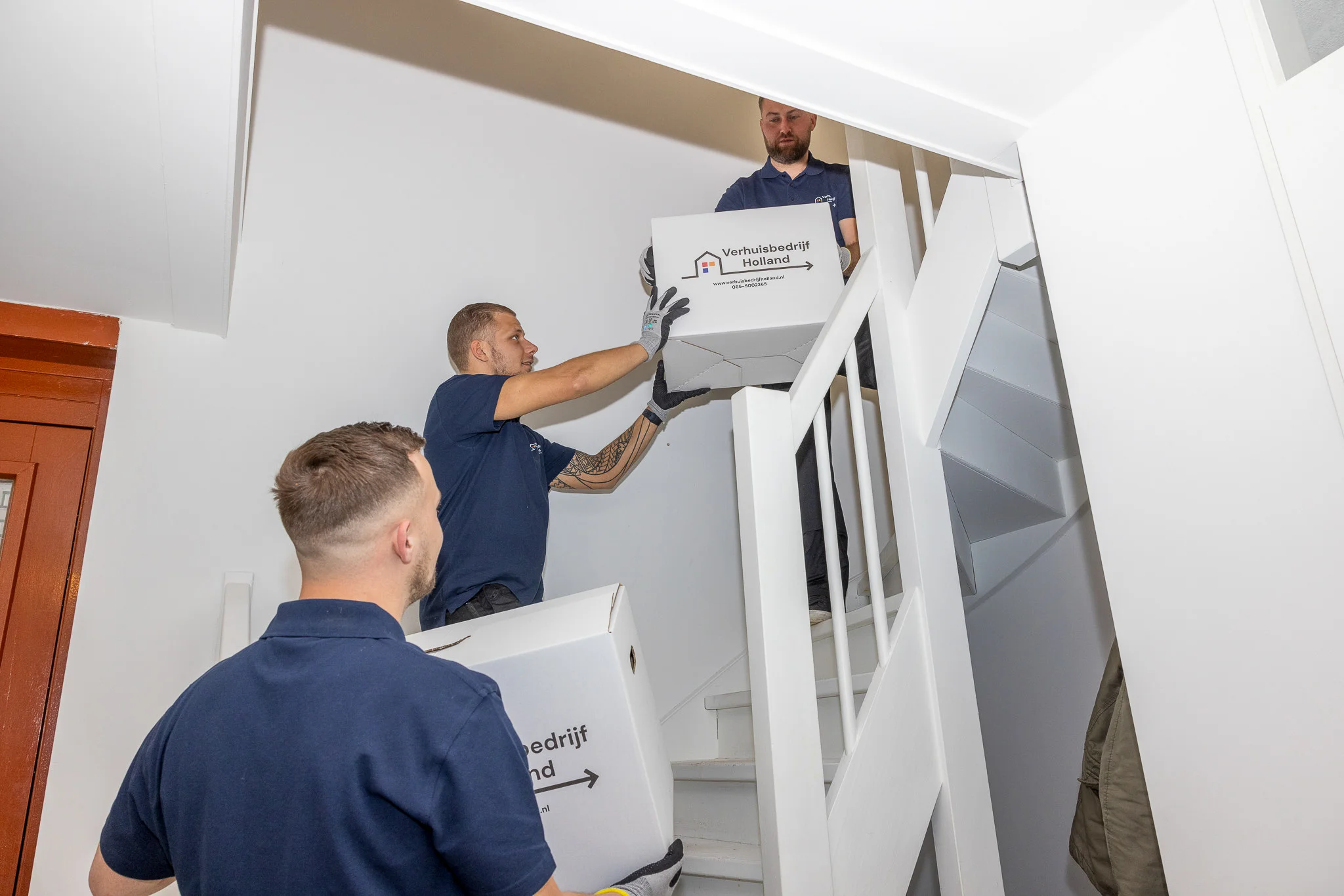
The work does not stop at packing; you also need to handle your boxes carefully during the move itself:
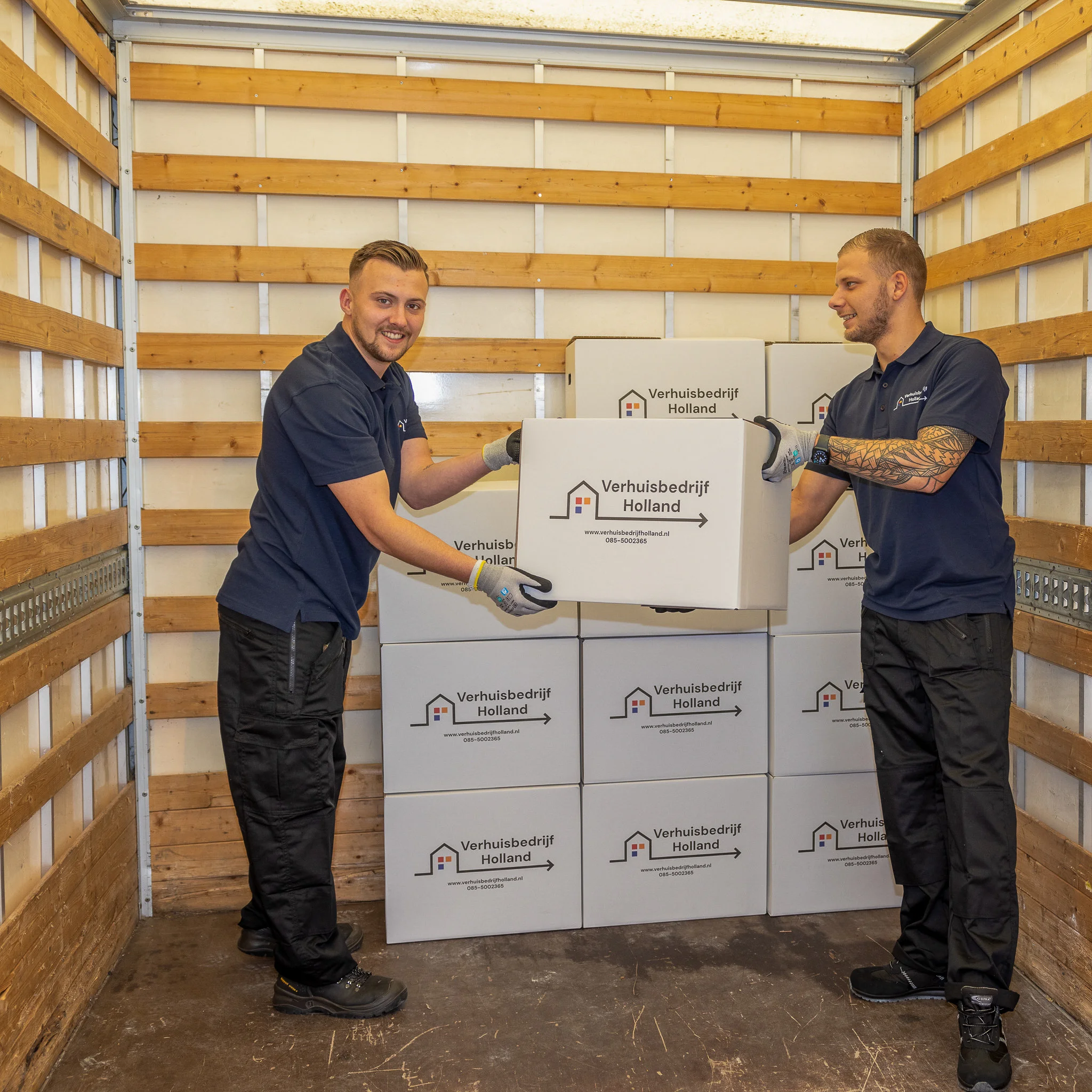
- Stack heavy boxes at the bottom and lighter ones on top.
- Mark fragile boxes clearly as ‘Fragile’ so that movers are extra careful.
- Make sure all boxes are firmly secured during transport to prevent shifting.
Once you arrive at your new location, the unpacking process begins. This can seem overwhelming, but with an organised approach you stay in control:
- Start with essential items you need straight away, such as kitchen utensils or toiletries.
- Work room by room to avoid chaos.
- Check fragile items for damage straight away.
By unpacking in a structured way, you make your new home liveable sooner.
Conclusion
Packing removal boxes cleverly and safely is essential for a successful move without stress or damage to your possessions. By setting to work in an organised way, from preparation to transport, you ensure that your belongings arrive safely and that unpacking goes smoothly.